Training hard is important. But recovering well is what keeps your body strong, healthy, and injury-free. Many athletes and fitness lovers push through soreness without realizing that recovery is where real progress happens.
Sports recovery techniques are not optional extras. They are essential tools for muscle recovery, proper post workout care, and long-term injury prevention. When recovery is ignored, muscles stay tired, performance drops, and injuries become more likely.
The good news is that effective recovery does not have to be complicated or expensive. With the right approach, your body can heal faster, feel stronger, and perform better over time.
This guide explains practical, science-backed recovery techniques that help muscles heal naturally and sustainably.
Why Sports Recovery Techniques Matter More Than You Think
Every workout causes stress to your muscles, joints, and nervous system. During exercise, muscle fibers develop tiny tears. This is a normal part of building strength and endurance. Recovery is the phase where those fibers repair, rebuild, and adapt.
Without proper recovery, this process remains incomplete. Muscles stay inflamed. Fatigue accumulates. Small issues turn into chronic pain or injuries. Sports recovery techniques help your body move from breakdown to repair efficiently.
Recovery also improves coordination, mental focus, and motivation. Athletes who recover well train more consistently and perform better over time.
Simply put, recovery is not time off. It is part of training.
Understanding Muscle Recovery After Exercise
Muscle recovery is the biological process through which muscles repair damaged fibers, restore energy levels, and regain strength. This process begins immediately after your workout ends.
You may experience soreness, stiffness, or reduced mobility during this phase. These signs indicate that your muscles are adapting. With proper post workout care, recovery becomes smoother and faster.
Muscle recovery also supports joint health, balances hormones, and strengthens connective tissues. Ignoring it increases injury risk and slows progress.
Essential Sports Recovery Techniques for Faster Healing
Effective recovery techniques support circulation, reduce inflammation, and promote muscle repair. You don’t need complicated routines. Consistency matters more than intensity.
Active Recovery and Gentle Movement
Light movement helps deliver oxygen and nutrients to muscles. It also removes waste products that build up during exercise. Activities like walking, swimming, or gentle cycling prevent stiffness without stressing the muscles.
Active recovery is especially useful on rest days. It keeps muscles loose and supports faster healing.
Proper Cool-Down After Workouts
Cooling down helps your body shift from training mode to recovery mode. It gradually lowers your heart rate and relaxes tense muscles.
A simple cool-down can include:
- Slow walking or light movement for 5 to 10 minutes
- Deep breathing to calm the nervous system
- Gentle stretches for worked muscles
Skipping this step may increase soreness and stiffness later.
Stretching for Muscle Relaxation
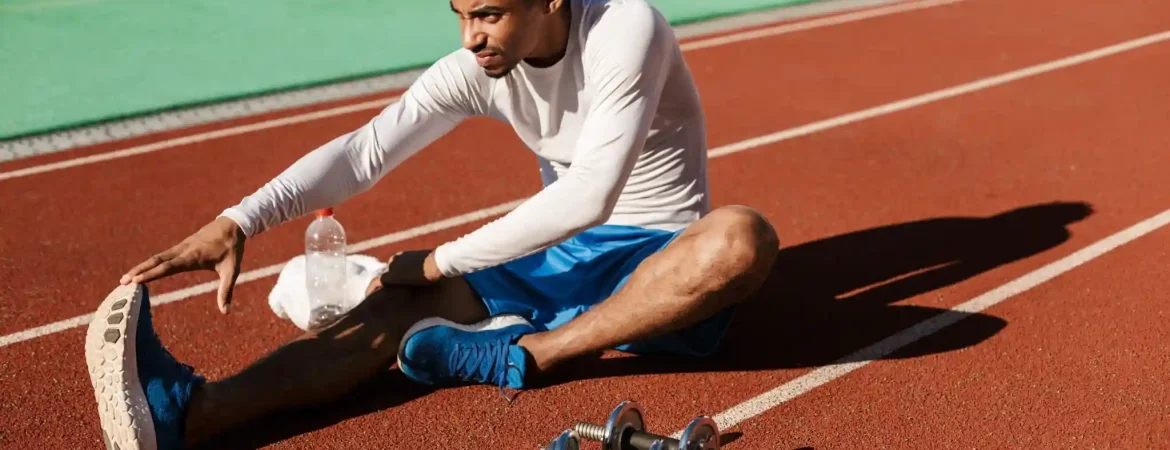
Stretching improves flexibility and reduces muscle tightness. It should feel comfortable, not painful. Holding gentle stretches after workouts helps muscles relax and recover.
Dynamic stretches work best before workouts. Static stretches are more effective after training when muscles are warm.
Post Workout Care That Supports Muscle Healing
Post workout care plays a major role in how quickly muscles recover. What you do after training often matters more than the workout itself.
Recovery Nutrition for Muscle Repair
Food provides the raw materials muscles need to heal. Protein repairs muscle fibers. Carbohydrates restore energy. Healthy fats support inflammation control.
Key nutrition tips for muscle recovery include:
- Eating balanced meals within a few hours after training
- Including protein at every meal
- Avoiding extreme calorie restriction
Whole foods support better recovery than relying only on supplements.
Hydration and Its Role in Recovery
Water supports circulation, nutrient delivery, and waste removal. Dehydration slows muscle recovery and increases fatigue.
Drinking water consistently throughout the day supports muscle recovery better than drinking large amounts at once.
Cold and Heat Therapy
Cold therapy reduces inflammation and soreness after intense training. Heat therapy relaxes tight muscles and improves blood flow.
Using these techniques mindfully can support faster healing without medication.
Rest and Sleep as Powerful Recovery Tools
Rest is one of the most effective sports recovery techniques available, yet it is often overlooked.
Quality Sleep and Muscle Repair
Most muscle repair occurs during sleep. Growth hormone levels rise, and tissues rebuild. Poor sleep disrupts this process and slows healing.
Experts recommend consistent sleep schedules and at least seven hours of quality sleep per night for active individuals.
Rest Days and Training Balance
Rest days allow muscles to heal completely. Training every day without rest increases injury risk.
Effective rest strategies include:
- Scheduling at least one full rest day per week
- Using active recovery instead of complete inactivity
- Rotating muscle groups during training
Balanced training supports sustainable progress.
Injury Prevention Through Smart Recovery
Recovery is one of the most powerful injury prevention tools.
Listening to Your Body
Pain, prolonged soreness, and fatigue are signals, not weaknesses. Ignoring them often leads to injury.
Adjusting training intensity or taking extra rest days when needed prevents small issues from becoming serious problems.
Gradual Progression in Training
Sudden increases in training volume or intensity place excessive stress on muscles and joints. Gradual progression allows tissues to adapt safely.
This approach supports muscle recovery and protects connective tissues.
Maintaining Mobility and Stability
Strong, flexible muscles stabilize joints and improve movement quality. Mobility work supports proper alignment and reduces strain during exercise.
Good recovery supports both muscle and joint health.
Lifestyle Habits That Improve Sports Recovery
Recovery does not stop when you leave the gym. Daily habits influence how well your body heals.
Chronic stress increases inflammation and slows muscle repair. Stress management techniques such as breathing exercises, meditation, or light activity improve recovery outcomes.
Posture, daily movement, and consistent nutrition also play important roles. Recovery works best when it becomes part of your lifestyle, not just a routine.
Common Recovery Mistakes to Avoid
Many people unknowingly slow down their recovery.
Skipping meals after workouts limits muscle repair. Training through pain increases injury risk. Relying only on supplements instead of proper post workout care reduces results.
Another common mistake is expecting recovery to be instant. Muscle healing takes time. Patience and consistency lead to better long-term outcomes.
How to Build an Effective Sports Recovery Routine
An effective recovery routine should be simple and sustainable.
Start with these basics:
- Prioritize sleep and hydration
- Eat balanced meals consistently
- Include light movement on rest days
- Schedule recovery just like workouts
Monitor how your body responds and adjust as needed. Recovery routines should evolve with training demands.
Expert Advice on Sports Recovery Techniques
Sports medicine professionals agree that recovery is essential for long-term performance. According to physiotherapists, overuse injuries often result from poor recovery rather than poor training.
Strength coaches emphasize that muscles grow during recovery, not during workouts. Nutrition experts highlight that consistent fueling supports better muscle repair than short-term diets.
The common message from experts is clear. Train hard, but recover smarter.
Final Thoughts on Sports Recovery Techniques
Sports recovery techniques are essential for faster muscle healing and long-term success. They support muscle recovery, improve post workout care, and reduce injury risk.
Recovery is not a luxury. It is a necessity. When recovery becomes a priority, training feels better, progress becomes consistent, and injuries become less common.
Invest in recovery today to protect your performance tomorrow.
FAQs
1. How long does muscle recovery usually take after exercise?
Muscle recovery typically takes between 24 and 72 hours, depending on workout intensity, training experience, and recovery habits. Proper hydration, nutrition, sleep, and active recovery can shorten recovery time and reduce soreness, allowing muscles to heal efficiently without unnecessary strain.
2. Are sports recovery techniques necessary for beginners?
Yes, beginners benefit greatly from sports recovery techniques because their muscles are adapting to new stress. Proper recovery reduces soreness, improves movement quality, and prevents early injuries. Establishing good recovery habits early supports long-term fitness success and helps beginners stay consistent with training.
3. Can post workout care really prevent injuries?
Post workout care plays a major role in injury prevention. Cooling down, refueling properly, staying hydrated, and resting allow muscles and joints to heal correctly. Ignoring recovery increases inflammation and fatigue, which raises the risk of strains, overuse injuries, and chronic pain.
4. Is sleep more important than supplements for muscle recovery?
Yes, sleep is far more important than supplements for muscle recovery. During sleep, the body releases hormones that repair muscle tissue and restore energy levels. Supplements may support recovery, but they cannot replace the benefits of quality sleep and proper nutrition.
5. What is the most effective sports recovery technique overall?
The most effective recovery approach combines multiple techniques. Quality sleep, balanced nutrition, hydration, light movement, and listening to your body work together to support faster muscle healing. No single method works alone, but consistency across habits delivers the best results.
Leave A Comment