
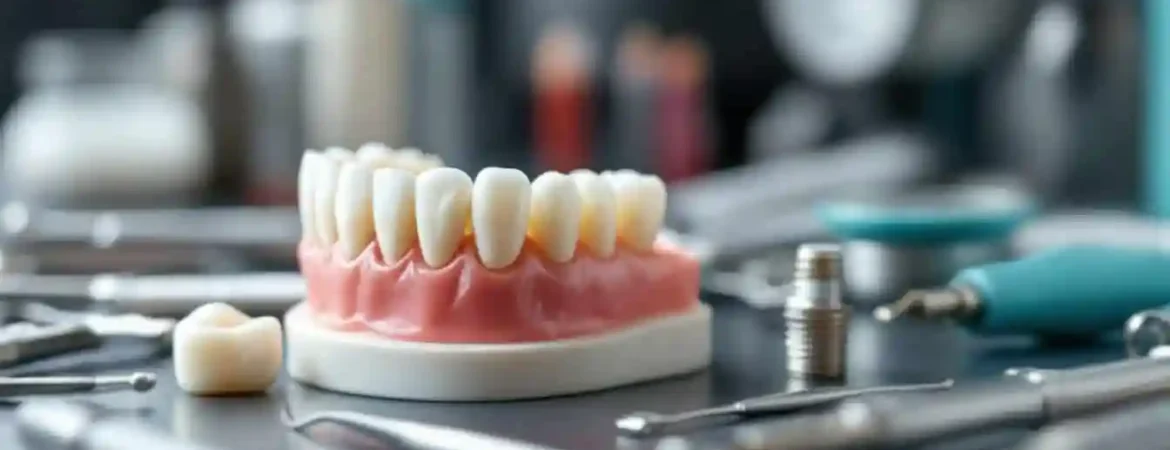
Losing multiple teeth or suffering from severely damaged dentition affects far more than appearance. It changes how a person speaks, eats, and carries themselves in the world. Full arch rehabilitation has emerged as one of dentistry’s most transformative solutions, offering patients a way to recover both function and aesthetics through a comprehensive, coordinated treatment approach that addresses the entire arch rather than isolated teeth.
What Full Arch Rehabilitation Actually Involves
Full arch rehabilitation refers to the complete restoration of an entire upper or lower dental arch. Unlike treatments that address individual teeth in isolation, full arch rehabilitation considers the entire bite, jaw relationship, and aesthetic outcome as an integrated system. Depending on the patient’s condition, treatment may involve implants, crowns, bridges, or a combination of approaches. A thorough diagnostic process involving imaging, bite analysis, and aesthetic planning precedes every treatment plan.
Who Is a Candidate for This Type of Treatment
Patients who benefit most from full arch rehabilitation typically present with multiple missing teeth, extensive decay or fracture affecting most of the dentition, severe wear from bruxism, or long-standing dental neglect that has progressed beyond what isolated restorations can adequately address. A comprehensive examination by an experienced restorative dentist determines whether full arch treatment is appropriate and identifies any underlying issues, such as bone loss or gum disease, that must be resolved before restorative work can begin.
The Technology and Procedures That Make It Possible
Modern full arch rehabilitation benefits enormously from advances in digital imaging, CAD/CAM technology, and implant design. Three-dimensional scans allow precise surgical planning. Implant-supported prostheses provide stability that removable options cannot match. Same-day and immediate-load protocols have also reduced treatment timelines significantly, allowing many patients to leave their initial surgical appointment with functional, aesthetically pleasing teeth rather than waiting months for final restorations.
Life After Treatment and What Patients Experience
Patients who complete full arch rehabilitation consistently describe the outcome as life-changing. Eating foods that had been off the menu for years becomes possible again. Speech improves. Self-consciousness about smiling disappears. The psychological impact of recovering a functional, natural-looking smile extends into every area of daily life. Proper maintenance, including professional cleanings and regular check-ups, protects the investment and ensures the restoration delivers its full intended lifespan.
Choosing the Right Practice for Your Rehabilitation Journey
Full arch rehabilitation is a complex, multi-stage process that requires a dental team with specific experience in restorative and implant dentistry working in close coordination. Review the practice’s portfolio of completed cases, ask about the qualifications of each provider involved, and ensure the treatment plan is explained clearly at every stage before proceeding. A practice that invests time in planning and communication demonstrates the level of professional care that a significant treatment of this nature deserves.
Conclusion
Full arch rehabilitation represents one of modern dentistry’s most significant achievements, making it possible to restore not just teeth but quality of life. For patients living with extensive dental problems, it offers a clear and proven path forward. With the right clinical team and a well-coordinated treatment plan, the results can be truly transformative and built to last for decades.
Leave A Comment