
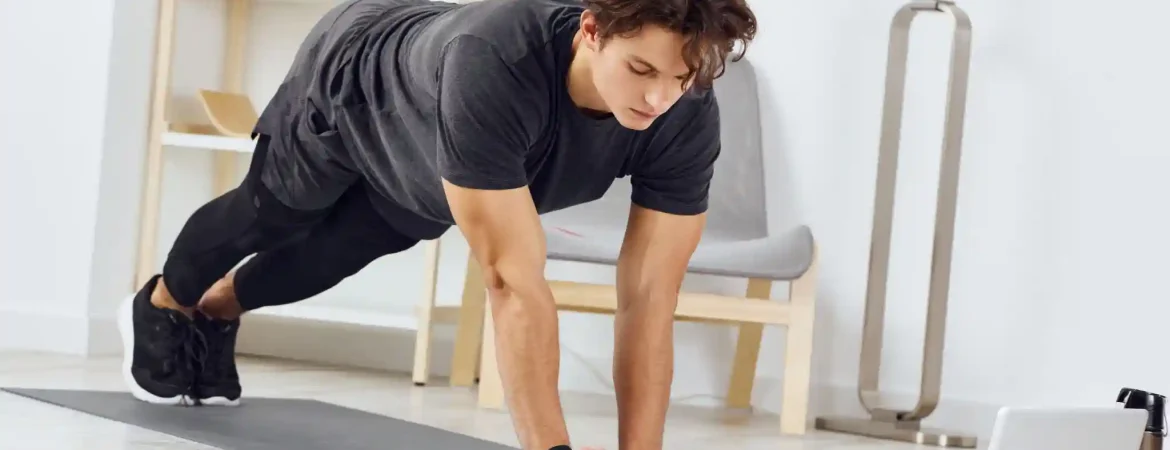
Busy schedules often push fitness to the bottom of the list. Long work hours, family responsibilities, and mental fatigue leave little room for gym visits. Many people assume that without a full hour or professional equipment, exercise is pointless. That idea creates unnecessary pressure and leads to inactivity. Home fitness training offers a realistic solution that works with your lifestyle instead of against it.
Home fitness training focuses on flexibility and simplicity. You exercise when time allows. You move in your own space. You avoid travel and waiting. Most importantly, you build consistency through manageable effort. Even short sessions can improve strength, energy, and mood when done regularly.
This guide explains how home fitness training supports busy schedules. It shows how body weight workouts and quick workouts make fitness at home effective and sustainable.
Why Home Fitness Training Works for Busy People
Home fitness training succeeds because it removes common barriers. When workouts fit into daily routines, people are more likely to stick with them. Time becomes less of an obstacle, and motivation feels easier to access.
Some key reasons home fitness training works so well include:
-
No commute or travel time
-
Flexible workout hours
-
Freedom to move at your own pace
-
Less pressure compared to gym environments
Short workouts done consistently build momentum. A ten-minute session repeated daily delivers better results than an intense routine followed once a week. Fitness at home encourages regular movement, which supports long-term health.
Home workouts also reduce mental resistance. When exercise feels convenient, starting becomes easier. That small shift often makes the biggest difference.
Understanding Your Fitness Goals Before You Start
Clear goals give direction to home fitness training. Without them, workouts feel random and progress feels unclear. Goals do not need to be complex. They simply need to be realistic and aligned with your schedule.
Setting Realistic Fitness Goals at Home
Goals should reflect your current lifestyle. Busy schedules require flexibility, not perfection. Instead of chasing dramatic transformations, focus on achievable outcomes such as improved strength, better energy, or reduced stiffness.
Helpful goal-setting tips include:
-
Focus on consistency rather than intensity
-
Choose goals that fit your available time
-
Track how you feel, not just physical changes
When goals feel achievable, motivation stays steady. Small wins create confidence and encourage long-term commitment.
How Time Constraints Shape Workout Choices
Limited time calls for smart exercise selection. Bodyweight workouts work multiple muscles at once and require minimal preparation. This makes them ideal for quick workouts and fitness at home.
Time constraints also highlight the importance of balance. Strength training, mobility, and rest all play roles in preventing burnout. A well-rounded routine supports progress without overwhelming the body.
Bodyweight Workouts That Require No Equipment
Bodyweight workouts are a cornerstone of home fitness training. They use your own body as resistance and adapt to all fitness levels. No equipment means no excuses, making consistency easier.
These workouts are effective because they emphasize functional movement. They improve strength, coordination, and balance while fitting into small spaces.
-
Full-Body Bodyweight Exercises
Full-body exercises save time and increase efficiency. They engage several muscle groups at once and raise the heart rate naturally. Common movements remain popular because they work.
Examples of effective full-body exercises include:
-
Squats for lower body strength
-
Push-ups for upper body and core
-
Lunges for balance and stability
-
Planks for core control
When performed with proper form, these movements deliver results without stressing joints unnecessarily.
-
Low-Impact Options for Beginners
Not everyone wants high-intensity movement. Low-impact bodyweight workouts provide a gentle entry point into fitness at home. They reduce strain while building strength and confidence.
Low-impact options are ideal for:
-
Beginners starting home fitness training
-
People returning after a break
-
Those managing joint discomfort
Slow, controlled movements improve mobility and body awareness. Over time, intensity can increase naturally as strength improves.
-
Quick Workouts You Can Do in 10 to 20 Minutes
Quick workouts prove that time does not define effectiveness. Short sessions can boost energy, reduce stress, and support overall fitness when done consistently.
Quick workouts work because they remove pressure. You do not need to plan extensively or block large chunks of time. Movement fits into real life.
-
Morning Quick Workouts
Morning workouts energize both body and mind. They improve focus and set a positive tone for the day. Even ten minutes of movement increases circulation and mental clarity.
Benefits of morning quick workouts include:
-
Improved mood and alertness
-
Reduced stress throughout the day
-
Higher chances of consistency
Morning movement also protects workout time before daily responsibilities take over.
-
Evening and Break-Time Sessions
Evening workouts help release tension accumulated during the day. Gentle strength training or mobility work supports relaxation and sleep quality.
Break-time workouts are equally effective. Short sessions during lunch or between tasks prevent stiffness and boost productivity. These small moments add up over time.
Creating a Simple Home Fitness Training Routine
A routine creates structure without rigidity. Home fitness training routines should feel flexible and supportive, not restrictive. Simplicity encourages long-term adherence.
A basic weekly structure may include:
-
Strength-focused days
-
Light cardio or mobility days
-
Rest or active recovery days
Training three to five times per week works well for busy schedules. Rotating focus areas prevents boredom and supports balanced fitness.
Variety keeps routines engaging. Small adjustments in exercise selection refresh motivation while maintaining consistency.
Staying Motivated Without a Gym Environment
Motivation often fades when it relies on excitement alone. Home fitness training succeeds when habits replace motivation. Creating supportive systems makes fitness at home easier to maintain.
Helpful strategies include:
-
Tracking progress in simple ways
-
Creating a dedicated workout space
-
Setting reminders or routines
Accountability does not require a gym. Self-awareness and routine provide enough structure to support consistency.
Common Mistakes to Avoid in Home Fitness Training
Avoiding common mistakes protects progress and prevents burnout. One frequent error is skipping warm-ups. Even a few minutes of movement prepares muscles and joints.
Another mistake is doing too much too soon. Busy people sometimes push too hard during short workouts. This leads to soreness, fatigue, and loss of motivation.
Other mistakes to watch for include:
-
Ignoring rest and recovery
-
Expecting immediate results
-
Comparing progress to others
Patience and consistency produce better outcomes than intensity alone.
How to Make Home Fitness Training a Long-Term Habit
Habits form when actions feel manageable and repeatable. Home fitness training becomes sustainable when it fits naturally into daily life.
Linking workouts to existing habits strengthens consistency. Exercising after waking up or before dinner creates reliable patterns. Reducing decision-making lowers resistance.
Flexibility matters as well. Schedules change, and routines should adapt. Adjusting intensity or timing keeps fitness at home realistic and stress-free.
Conclusion
Home fitness training shows that staying active does not require perfect conditions or long hours. Bodyweight workouts and quick workouts provide effective solutions for busy schedules.
Fitness at home empowers people to prioritize health without adding pressure. Small efforts repeated over time create meaningful results. Starting with just a few minutes today can build momentum for lasting change.
Consistency matters more than intensity. When movement becomes part of daily life, fitness feels achievable and sustainable.
Leave A Comment